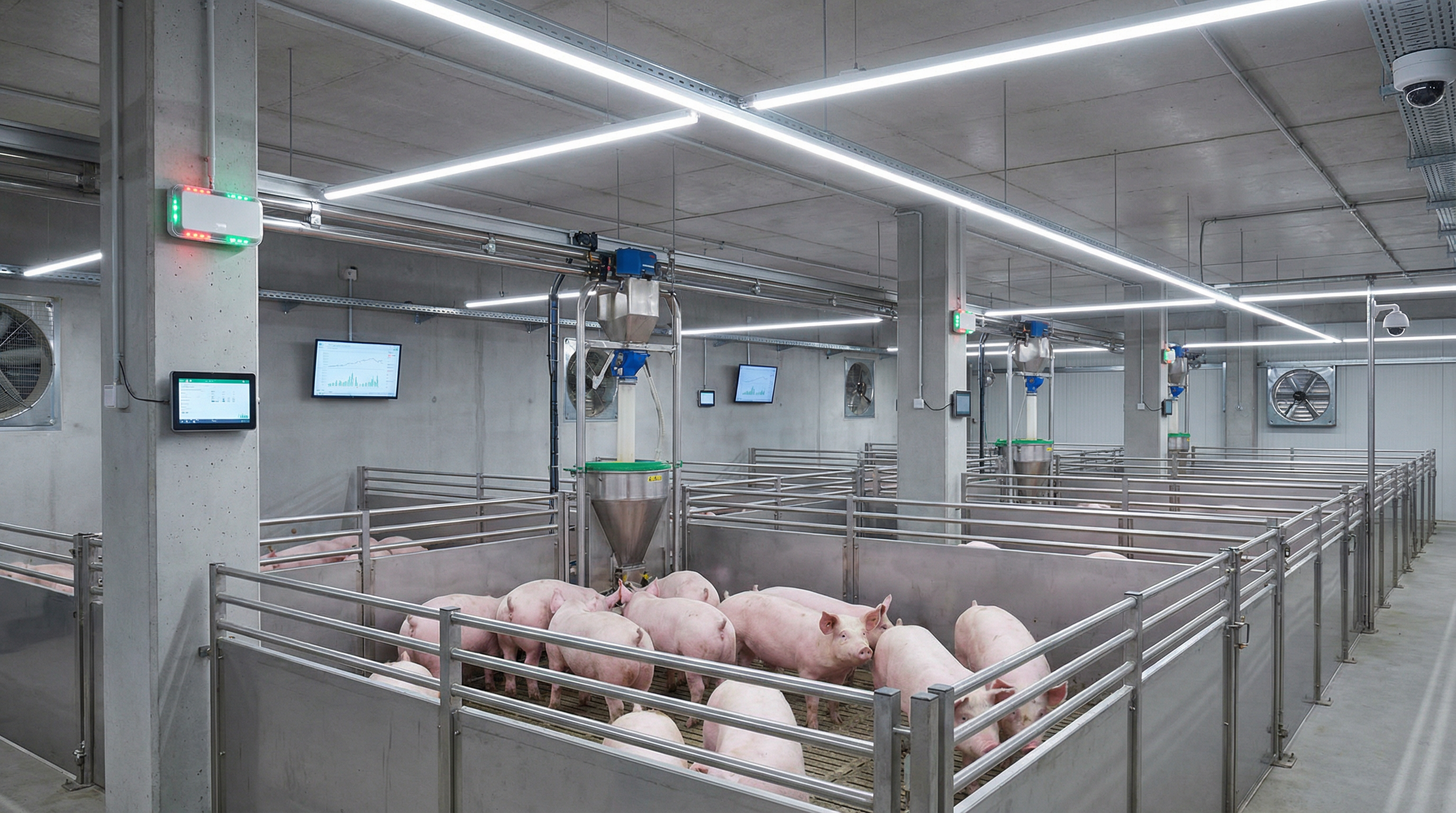
The agriculture industry is facing a silent crisis: a chronic and worsening labor shortage. As rural populations age and younger generations migrate to urban centers, finding skilled and willing workers to manage demanding farm operations has become one of the biggest hurdles to growth and sustainability. In the livestock sector, particularly pig farming, this challenge is acute. The work is physically demanding, requires constant attention, and is often performed in difficult conditions. This is the problem that Trackfarm addresses head-on, offering a powerful technological solution that replaces manual toil with automated precision, and in doing so, fundamentally reshapes the nature of farm work itself.\n\nTrackfarm’s AI-driven platform is not about replacing farmers; it is about empowering them. By automating up to 99% of the manual tasks associated with individual pig management, the system allows a single, skilled manager to achieve what was previously impossible: overseeing the health and productivity of thousands of animals with unparalleled efficiency and accuracy.\n\n### The Old Way: A Cycle of Endless Toil\n\nTo understand the magnitude of Trackfarm’s innovation, one must first appreciate the reality of traditional pig farming. The daily routine is a relentless cycle of manual labor:\n\n Manual Feeding and Watering: Physically distributing tons of feed and constantly checking water supplies.\n Visual Health Inspections: Walking through crowded pens, trying to spot subtle signs of illness among thousands of similar-looking animals—a near-impossible task.\n Environmental Checks: Manually checking temperatures and air quality, often with rudimentary tools.\n Record Keeping: Laboriously noting down observations, treatments, and weights in paper logs, a process prone to error and difficult to analyze.\n\nThis work is not only exhausting but also inefficient. It is impossible for a human to be everywhere at once, to see everything, and to remember the specific history of each individual animal. This is the reality that has constrained the productivity and scalability of farms for centuries.\n\n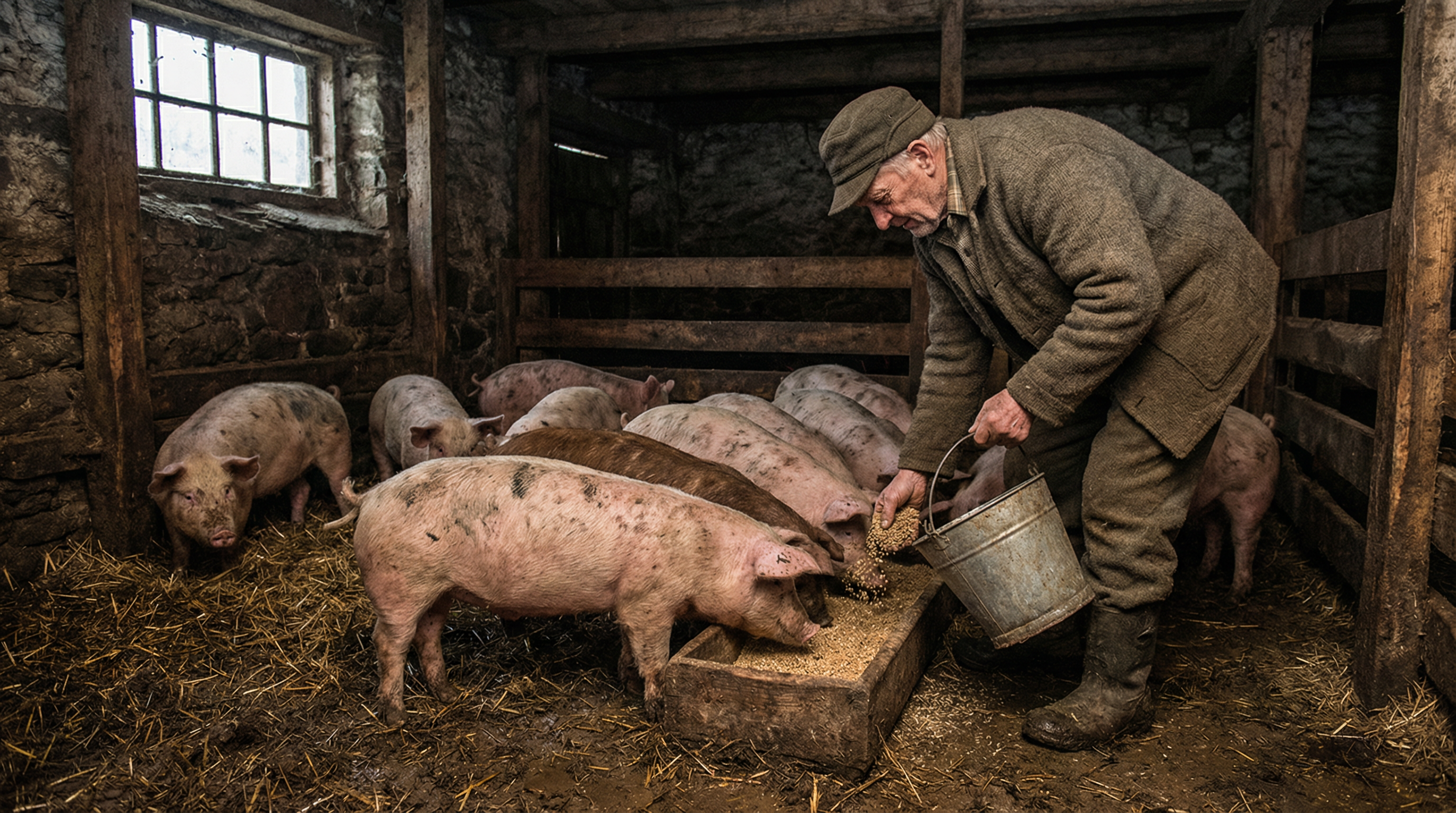 \n\n### The Trackfarm Way: Automation and Empowerment\n\nTrackfarm’s system automates nearly every aspect of this manual routine. The AI and IoT ecosystem takes over the repetitive, labor-intensive tasks, freeing up human capital to focus on more strategic, high-value work.\n\n Automated Monitoring: The AI-powered cameras are the new farmhands, working 24/7 to watch over every pig. They don’t get tired, they don’t take breaks, and they see things the human eye would miss, like a slight rise in an animal’s temperature or a small decrease in its activity.\n Automated Environment: The IoT sensors and control systems act as an autonomous barn manager, constantly maintaining the perfect climate without any need for manual adjustments.\n Automated Record-Keeping: Every piece of data—from feed intake to health alerts—is automatically logged, creating a perfect digital record for every animal. This eliminates manual data entry and provides a rich, easily analyzable dataset.\n\n
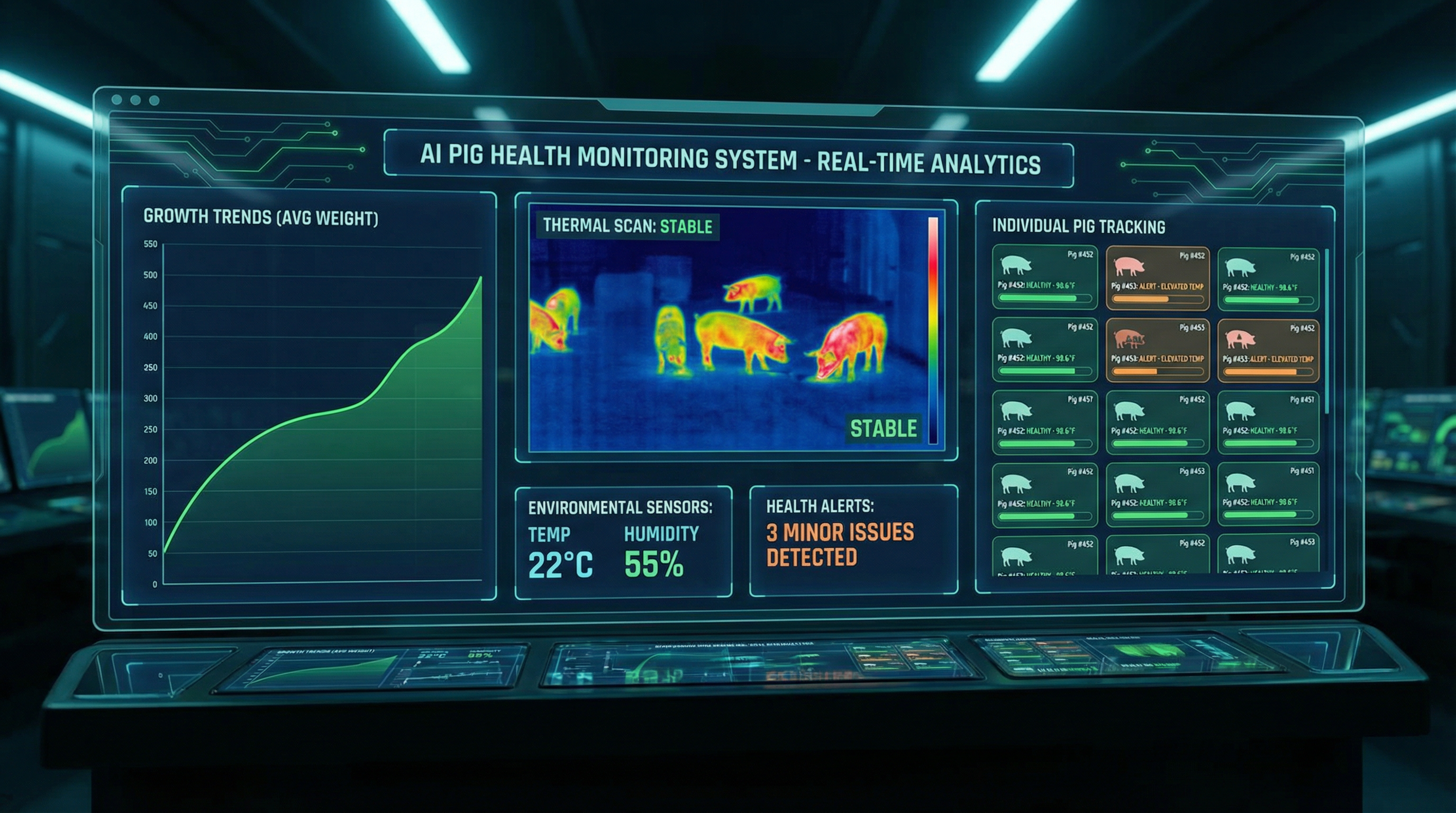
 \n\n### The New Role of the Farmer: From Laborer to Analyst\n\nThis automation fundamentally changes the role of the farm manager. Instead of spending their day on physical labor, they become strategic analysts and decision-makers. Their primary tool is no longer a feed bucket; it is a tablet or computer displaying the Trackfarm dashboard.\n\nTheir new tasks include:\n\n Reviewing AI-Generated Alerts: Assessing the health alerts flagged by the system and deciding on the appropriate intervention.\n Analyzing Performance Data: Studying the growth charts and feed conversion ratios to make strategic decisions about nutrition and marketing.\n Managing by Exception: Focusing their time and attention on the specific animals or pens that the AI has identified as needing it, rather than trying to monitor everything at once.\n\nThis transition elevates the job of a farmer, making it a more skilled, data-driven, and intellectually stimulating profession. It makes the career more attractive to a new generation of tech-savvy agricultural professionals, providing a long-term solution to the industry’s talent pipeline problem.\n\n
 \n\n### Scaling Operations Without Scaling Labor\n\nThe most significant economic impact of this automation is on scalability. With the Trackfarm system, a single manager can effectively oversee an operation of 3,000 or more pigs. This breaks the traditional link between the size of a farm and the size of its labor force. A farm can now grow and increase its output without a proportional increase in labor costs, dramatically improving its profitability and competitiveness.\n\nThis is particularly crucial in markets like Vietnam, where farms are looking to scale up and industrialize but are constrained by the availability of skilled labor. Trackfarm provides the key that unlocks this growth potential.\n\n
 \n\nIn conclusion, Trackfarm is offering more than just a piece of technology; it is offering a solution to one of the most fundamental crises facing modern agriculture. By replacing manual toil with intelligent automation, the company is making farming more efficient, more scalable, and more profitable. But perhaps most importantly, it is creating a new, more sustainable model for the agricultural workforce, empowering a new generation of farmers to manage the farms of the future with skill, data, and confidence.