The Rise of AI Chatbots in Customer Service
The landscape of customer service is undergoing a profound transformation, driven by the rapid adoption of Artificial Intelligence (AI) chatbots. Once a novelty, these sophisticated digital assistants are now a cornerstone of modern business operations, fundamentally changing how companies interact with their customers. This shift is not merely about automation; it’s about delivering faster, more efficient, and highly personalized support at scale.
The Evolution of Customer Interaction
For decades, customer service relied on human agents, call centers, and email support. While essential, these methods often struggled with the demands of a 24/7 global market. Customers expect instant gratification, and the traditional model often resulted in long wait times and inconsistent service quality.
AI chatbots, powered by advancements in Natural Language Processing (NLP) and machine learning, have stepped in to fill this gap. They can understand complex queries, maintain context across conversations, and provide accurate, instant responses, effectively handling the “first line” of support.
Key Advantages Driving Adoption
The surge in AI chatbot adoption is fueled by several compelling business advantages:
- 24/7 Availability: Chatbots never sleep. They provide round-the-clock support, catering to a global customer base across different time zones.
- Instant Response Times: Unlike human agents who can only handle a limited number of conversations simultaneously, chatbots can manage thousands of concurrent interactions, eliminating wait times.
- Cost Efficiency: By automating routine and repetitive queries, businesses can significantly reduce operational costs associated with staffing large customer service teams.
- Scalability: Chatbots can easily scale up or down to meet fluctuating demand, such as during peak holiday seasons or product launches, without the need for extensive hiring or training.
A Comparison: Chatbots vs. Traditional Support
To illustrate the shift, consider the operational differences between AI-powered and traditional support channels:
| Feature | AI Chatbot Support | Traditional Human Support |
|---|---|---|
| Availability | 24/7/365 | Limited by business hours and agent shifts |
| Response Time | Instant (milliseconds) | Varies, often minutes to hours |
| Concurrent Chats | Thousands | Limited to 3-5 per agent |
| Cost per Interaction | Very Low | High (salary, benefits, infrastructure) |
| Handling of Repetitive Tasks | Excellent, consistent | Prone to human error and fatigue |
Enhanced Visual Element: The AI-Human Hand-off
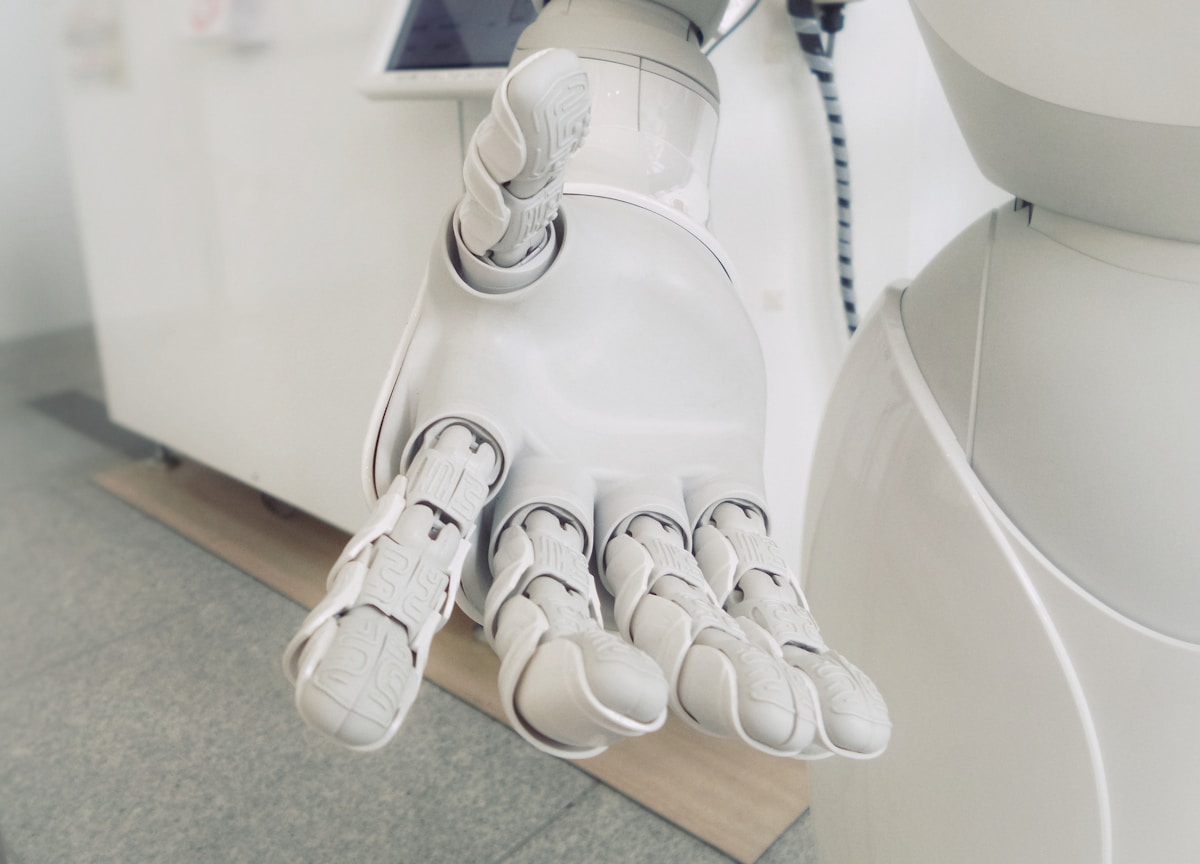
Imagine a seamless transition where the chatbot handles the initial query, gathers necessary information, and then, if the issue is complex, smoothly transfers the conversation to a human expert. This AI-Human Hybrid Model is the gold standard, combining the speed and efficiency of AI with the empathy and problem-solving skills of a human agent.
The Future is Hybrid: The most successful customer service strategies are not about replacing humans with AI, but about augmenting human capabilities with intelligent automation. Chatbots handle the volume, freeing up human agents to focus on high-value, complex, and emotionally sensitive interactions.
The Road Ahead
As AI technology continues to mature, chatbots will become even more sophisticated. We are already seeing the integration of generative AI, allowing chatbots to create novel solutions and personalized content rather than just pulling from a predefined script. The rise of AI chatbots is more than a trend; it is a permanent evolution in the way businesses build and maintain customer relationships, setting a new benchmark for service excellence.